


Building permits in Kenya are official approvals issued by county governments that authorize construction, renovation, extension, demolition, or change-of-use developments.
Before construction can legally begin, a developer must obtain approved architectural and structural drawings from the relevant county government and register the project with the National Construction Authority (NCA).
Building permits help ensure that buildings meet planning regulations, structural safety standards, environmental requirements, and public health regulations. Failure to obtain the necessary approvals can result in stop orders, penalties, project delays, or demolition.
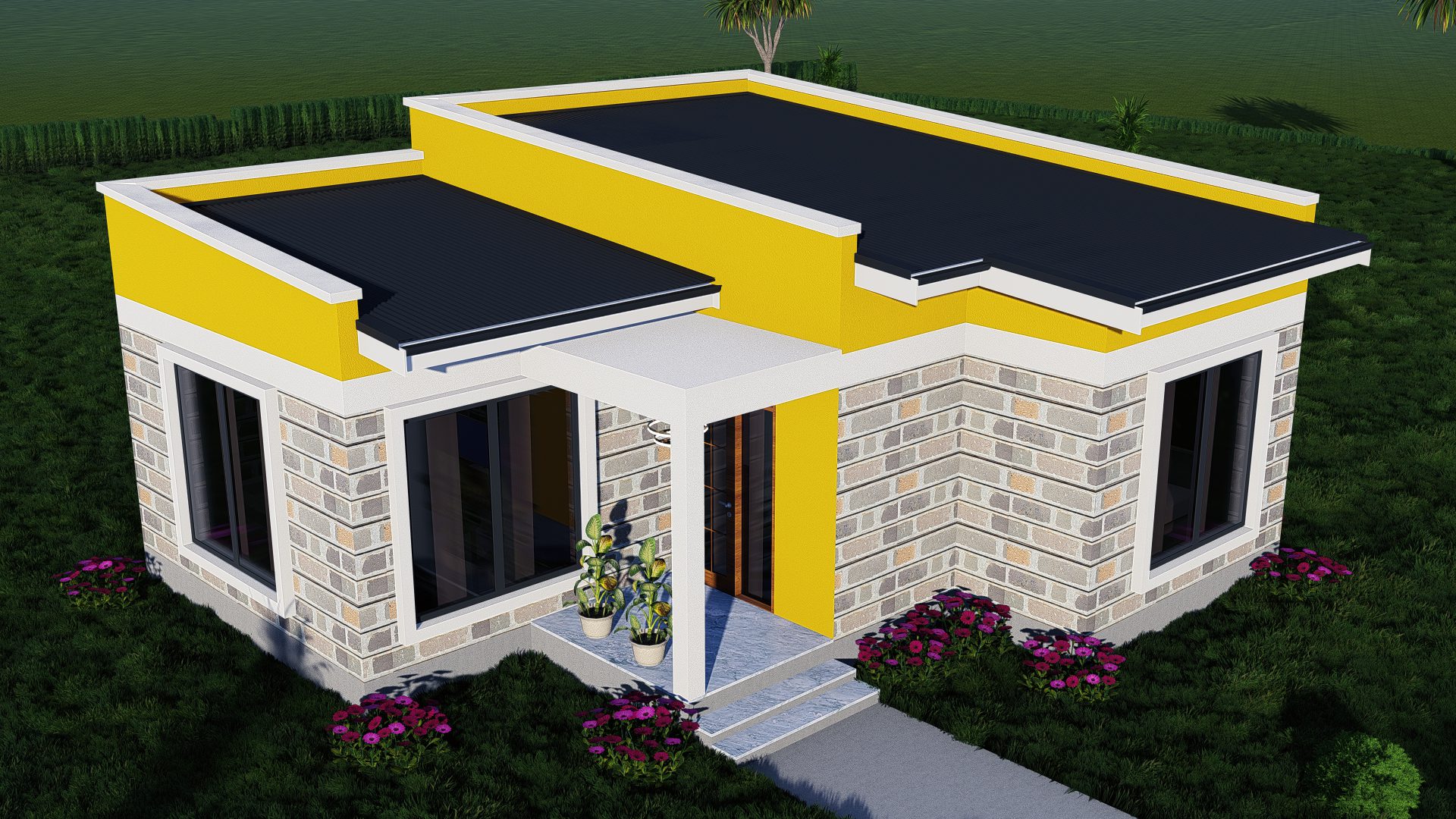
Many first-time builders assume that owning land automatically gives them the right to build. In reality, every development must comply with county planning regulations.
Building permits help:
Without permits, a property may face future legal challenges during sale, valuation, financing, or occupation.
County governments are responsible for:
Every county has its own approval procedures and fee structure.
The National Construction Authority regulates Kenya’s construction industry and requires all construction projects to be registered before implementation.
NCA also regulates contractors, site supervisors, and construction workers.
Certain projects require environmental approvals before construction can begin, such as:
Regulates engineers involved in project design and supervision.
The Board of Registration of Architects and Quantity Surveyors regulates architects and quantity surveyors involved in building design and cost management.
Required for:
Required for:
Required for:
Required when structural alterations are made to an existing building.
Required when adding:
Required when changing land use:
Required before demolishing an existing structure.
Must confirm ownership and be recent.
Prepared and signed by a registered architect.
Prepared and signed by a registered structural engineer.
Engineering calculations ensuring structural safety.
Confirms county rates have been paid.
County-specific approval forms.
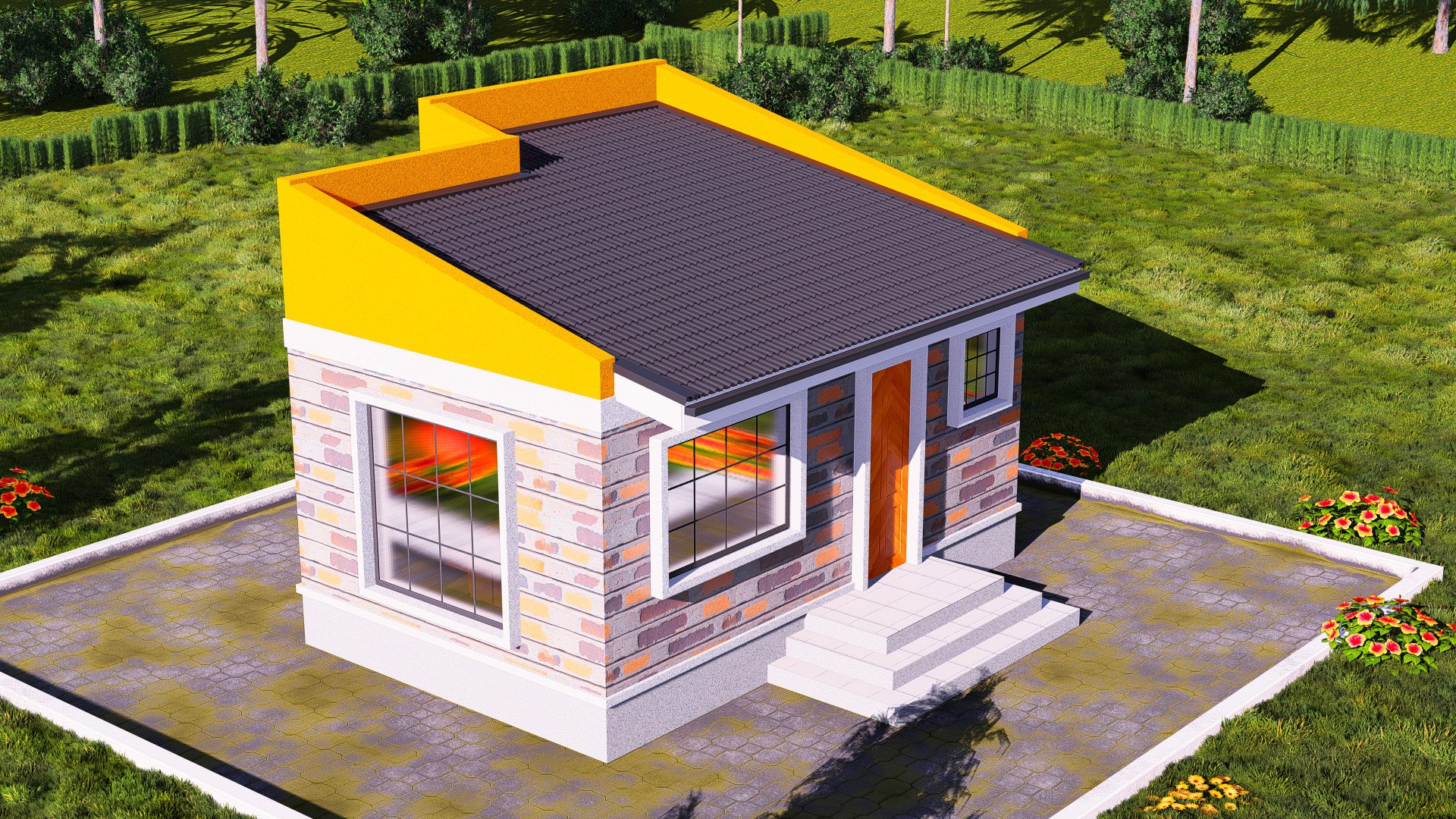
Confirms boundaries, dimensions, and site conditions.
Develops floor plans, elevations, sections, and site plans.
Engineer prepares foundation and structural calculations.
Drawings are submitted for approval.
Reviewed by planners, engineers, public health, and fire officers.
Based on size, use, and value.
Approved drawings are stamped and construction can begin.
After county approval, projects must be registered with NCA.
Requirements:
Project registration is currently free.
| Project Type | Typical Approval Cost |
|---|---|
| Small Rural House | KSh 10,000 – 50,000+ |
| Urban Residential Home | KSh 30,000 – 150,000+ |
| Apartment Building | KSh 100,000 – 500,000+ |
| Commercial Projects | Varies greatly |
Costs vary by county, size, and building use.
| Stage | Duration |
|---|---|
| Design Preparation | 1 – 4 weeks |
| County Approval | 2 – 8 weeks |
| NEMA Approval (if needed) | 2 – 8 weeks |
| NCA Registration | 1 – 2 weeks |
| Total Process | 1 – 4 months |
✓ Title deed
✓ Land search
✓ Survey map
✓ Architectural drawings
✓ Structural drawings
✓ Structural calculations
✓ Rates clearance certificate
✓ ID or company documents
✓ Application forms
✓ Consultant details
✓ KRA PIN
✓ BOQ summary
✓ Contractor details
Varies by county, size, and use.
Usually 1–4 months.
Yes.
No, it is illegal and risky.
County governments.
Yes.
Yes.
Yes.
Obtaining building permits in Kenya is essential for any construction project. The process involves county approval, possible environmental approval, and mandatory NCA registration. Working with qualified professionals ensures compliance, avoids delays, and protects your investment.


